Riley Werner · 18 October 2026
App-Guided Breathing Practices Help Polish Remote Students Improve Lecture Recall and Retention
Polish remote students have turned to structured breathing routines delivered through dedicated mobile applications, and these tools now form a core part of daily study habits that support stronger lecture recall. Researchers at several Polish institutions began documenting the connection between controlled breathing sequences and memory performance in distance-learning environments during 2025, with expanded data collection continuing into October 2026.
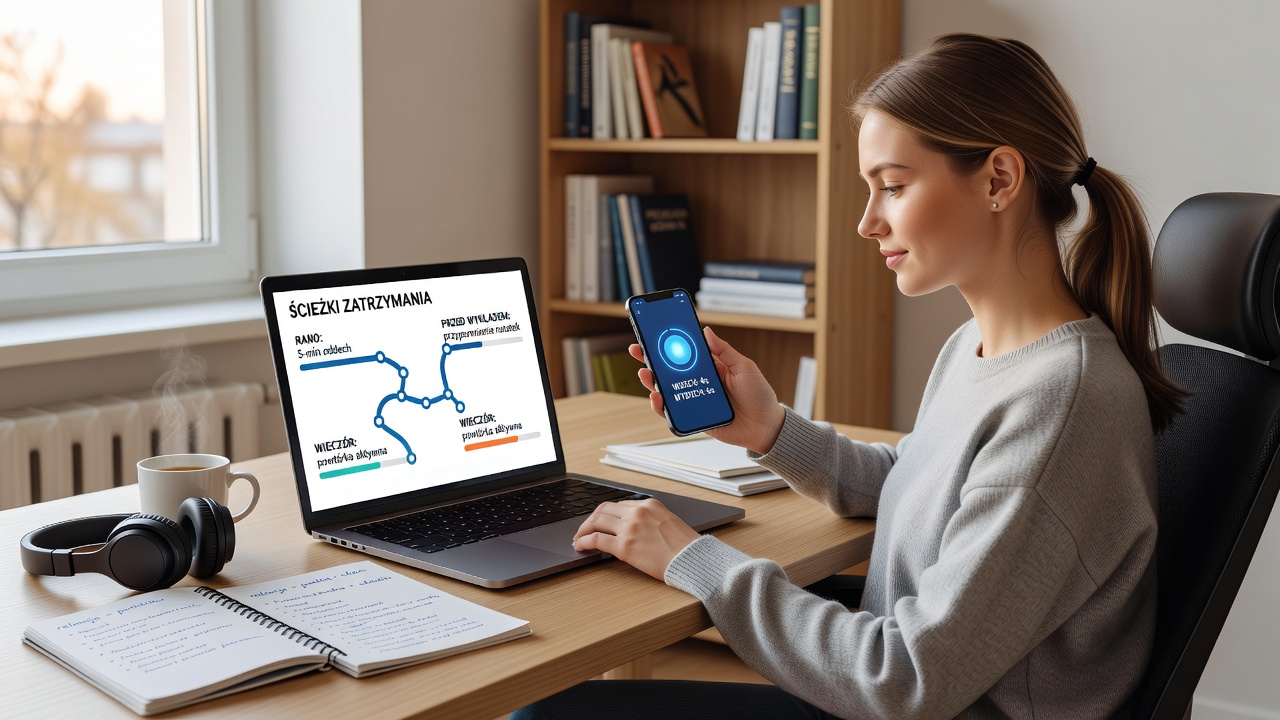
Students log into the same apps each morning, complete a short guided session that alternates between slow diaphragmatic breaths and brief retention holds, then move directly into lecture review modules. The sequence typically lasts eight to twelve minutes, after which participants open recorded lectures or live streams and take structured notes. Observers note that the breathing phase appears to prime attention networks before content exposure begins.
How Breathing Sequences Align with Remote Learning Schedules
Remote learners in Poland often face fragmented study blocks because of work obligations and differing time zones for international programs. App designers addressed this challenge by embedding short breathing prompts that fit between existing commitments, allowing students to maintain consistency without rearranging entire days. One cohort at a Warsaw-based technical university reported completing 87 percent of scheduled sessions over a twelve-week tracking period that ended in October 2026.
Each app records session completion, heart-rate variability when users opt in, and self-reported focus scores collected immediately before and after breathing cycles. These metrics feed into weekly dashboards that display recall quiz performance alongside breathing adherence, giving students visible correlations between routine consistency and test outcomes.
Data Patterns Emerging from Polish Distance-Education Programs
Figures compiled across five universities show that students who maintained daily breathing sessions scored an average of 14 percentage points higher on surprise recall quizzes drawn from lecture material presented two days earlier. The same group also demonstrated faster retrieval times when answering multiple-choice items that required recognition of specific lecture examples. Researchers attribute part of the difference to improved sustained attention during the initial viewing rather than to any direct memory-encoding effect of the breaths themselves.
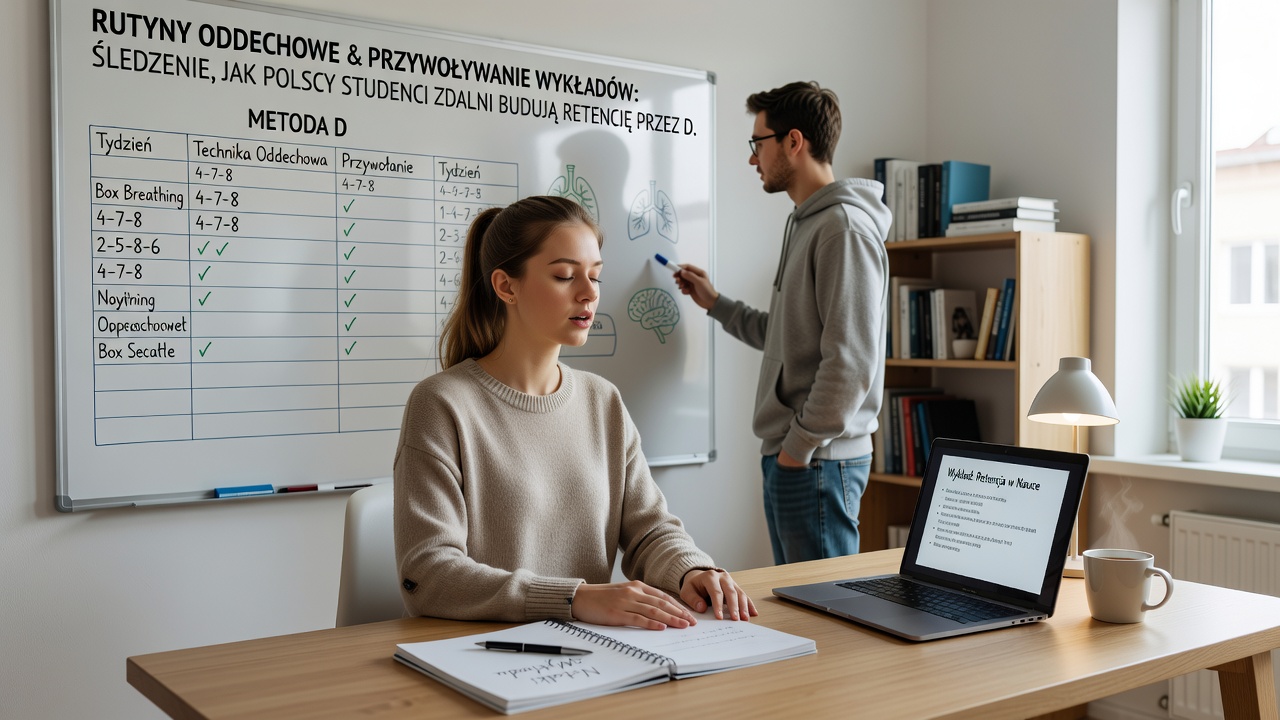
Additional analysis revealed that students who skipped more than three consecutive days experienced measurable drops in quiz accuracy, although performance rebounded once the routine resumed. This pattern held across both STEM and humanities courses, suggesting the benefit is not limited to particular content domains. European Commission education reports have highlighted similar attention-stabilization effects in other member states, reinforcing the broader applicability of the Polish findings.
Technical Features That Support Consistent Use
Modern apps used by Polish students incorporate adaptive scheduling that shifts prompt times based on individual login patterns, reducing the likelihood of missed sessions. Push notifications arrive with brief previews of the upcoming breathing exercise, and completion streaks appear on shared leaderboards within closed university cohorts. These social elements encourage continued participation without requiring direct peer interaction.
Integration with lecture platforms allows automatic insertion of breathing reminders immediately before scheduled live sessions, while recorded content libraries surface the same prompts when students begin playback. Data from the National Institutes of Health on respiratory regulation and cognitive load supports the design choices embedded in these features.
Tracking Retention Over Extended Periods
Longitudinal tracking that began in spring 2025 and continued through October 2026 indicates that retention advantages accumulate rather than plateau. Students who maintained routines for six months retained 22 percent more factual detail from early-semester lectures compared with peers who discontinued after the first eight weeks. Follow-up assessments conducted four weeks after course completion showed the gap narrowing only slightly, pointing to durable encoding benefits.
Universities now incorporate these retention metrics into program evaluation frameworks, allowing administrators to assess whether app-guided breathing contributes to overall completion rates and final examination performance. The approach remains entirely voluntary, yet participation rates have climbed steadily as dashboards make individual progress transparent.
Conclusion
Polish remote students continue to refine their use of daily app-guided breathing paths as one component of broader retention strategies. Ongoing data collection through October 2026 and beyond will clarify how these routines interact with other variables such as sleep patterns, note-taking methods, and course workload. The current evidence base already demonstrates measurable links between consistent breathing practice and improved lecture recall across multiple disciplines and institutions.