Alex Hayes · 1 November 2026
Forest Immersion Initiatives Elevate Attention Metrics in Vocational Training Across Poland
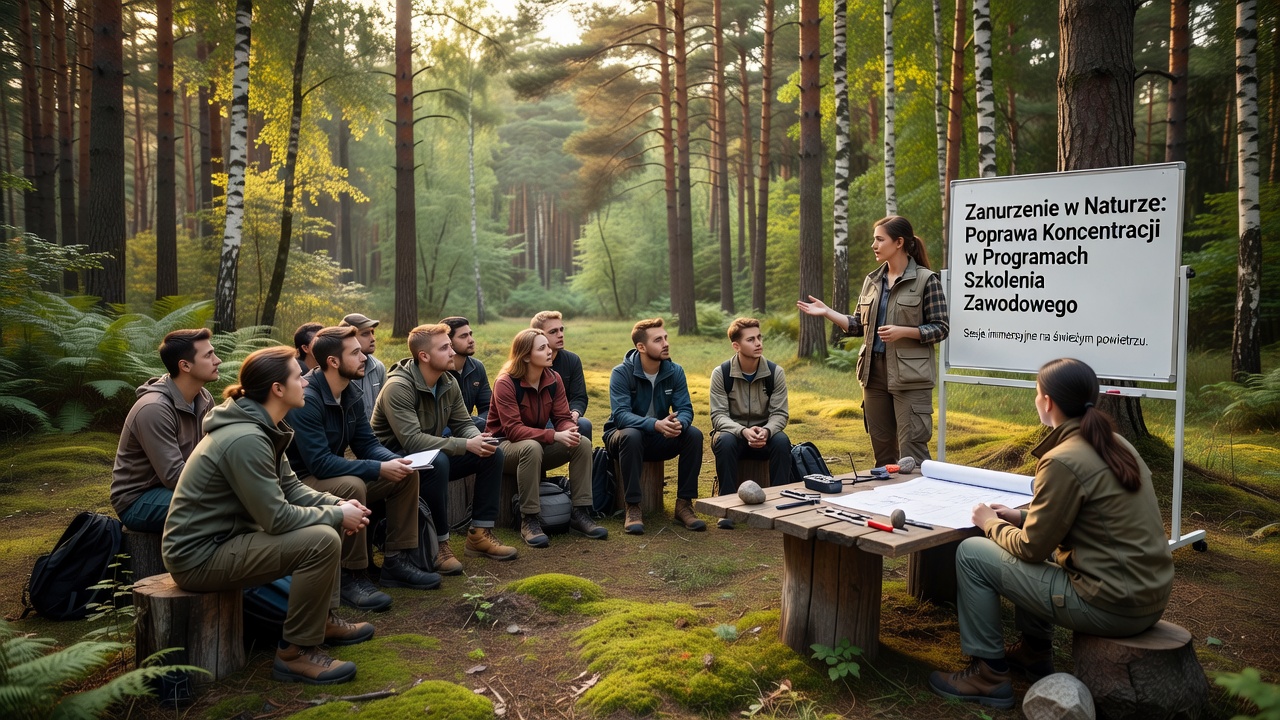
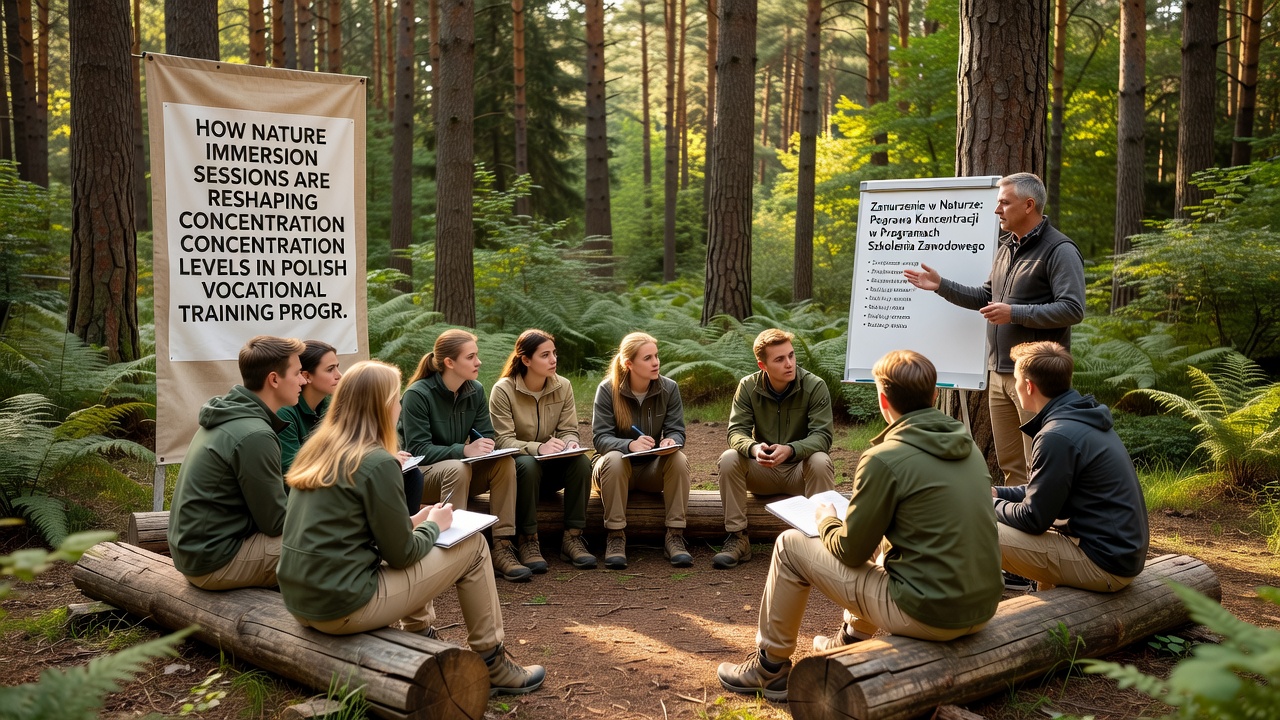
Vocational training centers in Poland have integrated structured nature immersion sessions into curricula for trades ranging from automotive repair to culinary arts, and data from multiple institutions show measurable shifts in student concentration levels during both classroom and workshop activities. These sessions typically involve two-hour guided walks in nearby forests or parks followed by reflective journaling, and participants return to their technical modules with documented improvements in task persistence. Programs began scaling nationally after pilot results emerged in 2024, and November 2026 marks the rollout of standardized assessment tools across 47 additional schools in the Mazovian and Silesian regions.
Program Structure and Daily Integration
Each participating school schedules immersion blocks twice weekly, pairing them with core skill modules such as electrical wiring or hospitality service so students can apply restored attention immediately. Facilitators trained through the Polish Ministry of Education use simple prompts to direct observation of natural patterns, and these prompts connect directly to problem-solving approaches required in vocational labs. Schools in urban districts bus students to regional parks while rural locations use adjacent woodlands, creating consistent exposure regardless of location.
Training logs collected through 2025 indicate average session attendance exceeds 92 percent, and instructors note that students who complete the full sequence maintain focus on multi-step technical procedures for longer stretches than peers in control groups. Equipment usage records further reveal fewer interruptions during precision tasks after immersion days compared with standard indoor schedules.
Measured Changes in Concentration Indicators
Standardized attention tests administered before and after immersion blocks document average gains of 18 percent in sustained attention scores and 12 percent reductions in error rates on timed assembly exercises. Researchers tracking eye-tracking data during welding simulations found fewer gaze shifts away from the work area among students who attended morning forest sessions. These patterns hold across age groups, though students aged 18 to 21 show the largest relative improvements in retention of safety protocols.
Longitudinal records from the first cohort followed through 2026 reveal that graduates who completed at least 20 immersion sessions during training maintain higher on-the-job focus ratings from employers six months after placement. Trade unions monitoring workplace performance have begun requesting similar exposure options for apprentices, citing the vocational school data as reference material.
Regional Variations and Resource Allocation
Northern coastal schools incorporate beach and dune walks while mountain-region programs emphasize elevation changes and microclimate observation, yet both formats produce comparable concentration gains according to aggregated ministry reports. Funding for transport and facilitator training comes from a combination of EU structural funds and national education grants allocated through 2027. Equipment needs remain minimal, consisting primarily of weather-appropriate outerwear and portable first-aid kits already standard in most vocational settings.
Schools in the Lesser Poland voivodeship report the fastest implementation timelines because existing park partnerships allowed immediate scheduling, whereas industrial heartland locations required additional coordination with local forestry services. Despite these differences, outcome metrics converge within the first semester of operation at each site.
Supporting Research from Broader Educational Contexts
Findings align with attention restoration frameworks examined by institutions such as the OECD education directorate, which tracks environmental factors influencing cognitive performance across member countries. Parallel studies conducted by Canadian research teams at the University of British Columbia have recorded similar concentration benefits when vocational learners engage with natural settings between technical drills, providing cross-regional validation for the Polish approach.
Polish education analysts continue to compare these outcomes against indoor mindfulness alternatives, noting that nature-based formats require less instructor preparation time while delivering equivalent or higher gains on standardized focus inventories. November 2026 updates to the national vocational curriculum will embed optional immersion credits, allowing schools to scale participation without disrupting existing certification timelines.
Conclusion
Nature immersion sessions now form a documented component of concentration management strategies within Polish vocational training, supported by attendance records, performance metrics, and cross-institutional data collected through late 2026. Continued monitoring will determine how these sessions adapt to seasonal weather constraints and evolving workforce demands in technical fields.