Mara Richter · 7 October 2026
Polish universities are increasingly turning to mindfulness programs as a proactive measure to combat rising anxiety among students. With mental health issues affecting a significant portion of the student population, institutions are piloting these initiatives to provide accessible support. The trials involve integrating mindfulness practices into campus life, aiming to offer students practical skills for stress management. Data from recent years indicates that anxiety rates have climbed by approximately fifteen percent in higher education settings across the country.
Details of the Trials
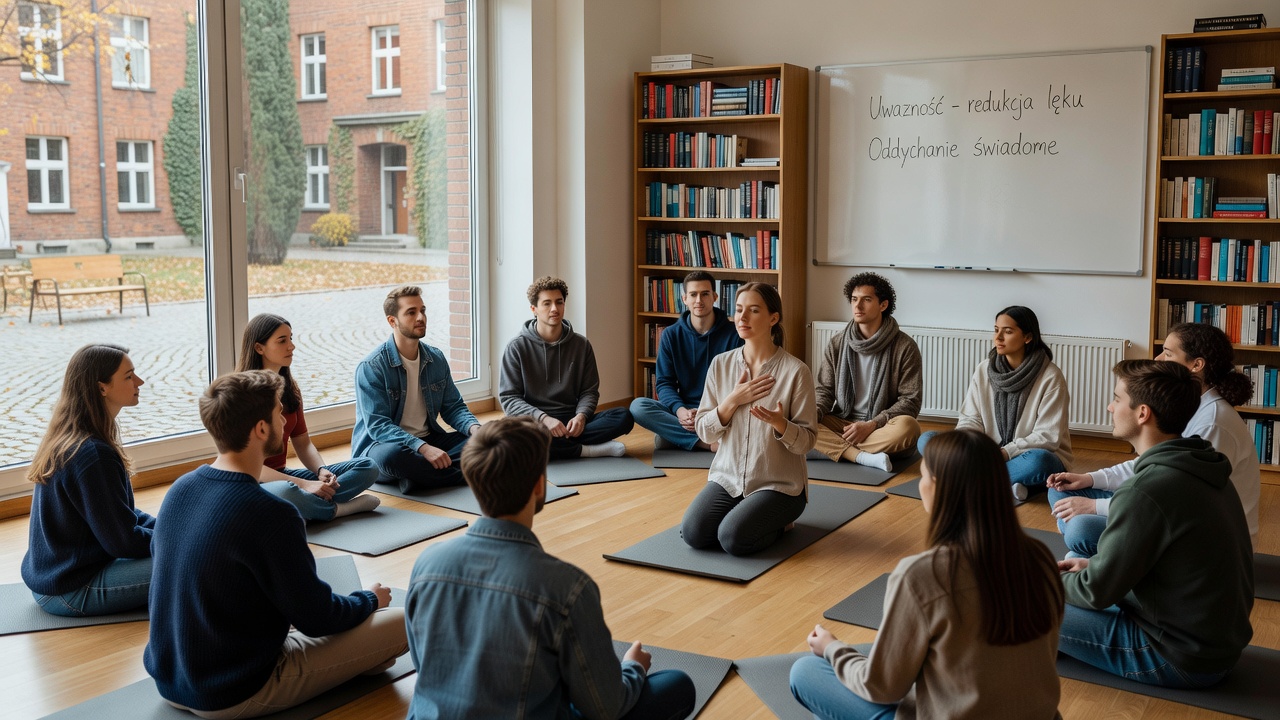
At the University of Warsaw, a six-week program has been launched, featuring daily short meditations and workshops on mindful studying. Similarly, the Adam Mickiewicz University in Poznan has introduced evening sessions focused on relaxation techniques. These programs are voluntary and free for enrolled students, with sessions conducted in small groups to ensure personalized attention. Instructors emphasize the importance of consistency in practice for optimal benefits. Student participation has been encouraging, with many reporting better sleep and reduced exam-related worries after just a few weeks. Additional universities including the Wroclaw University of Science and Technology are set to begin their own versions next semester. The structured format includes an introduction to core principles followed by practical exercises that students can apply independently.
Surveys conducted before and after the programs show promising trends. Participants note enhanced emotional regulation and a greater sense of calm during challenging academic tasks. The trials also include control groups to measure true effectiveness against standard counseling services. Feedback mechanisms allow for adjustments to better meet participant needs.
Broader Implications
Beyond immediate anxiety reduction, these programs may contribute to long-term mental health improvements. Experts suggest that early intervention through mindfulness can prevent more severe issues later in students' careers. Partnerships with organizations specializing in educational mindfulness have facilitated the development of culturally appropriate materials. Data collection is ongoing, with results expected to influence policy decisions at the national level. Universities hope to secure funding for permanent programs based on positive outcomes. This approach aligns with global trends where mindfulness is gaining traction in educational settings for its non-invasive and cost-effective nature. Continued evaluation will determine scalability and integration into standard curricula. Overall the initiative represents a significant step forward in student support services throughout Poland.